

Is Your Child Struggling with Chinese? The Best Learning Approach Explained
When it comes to learning a language, different approaches can yield different results. Two of the most commonly discussed methods are traditional learning and contextual learning. While traditional learning focuses on structured lessons, memorization, and grammar drills, contextual learning immerses students in real-world scenarios, making language acquisition more practical and engaging. But which method is more effective? Let’s explore both.
What is Traditional Learning?
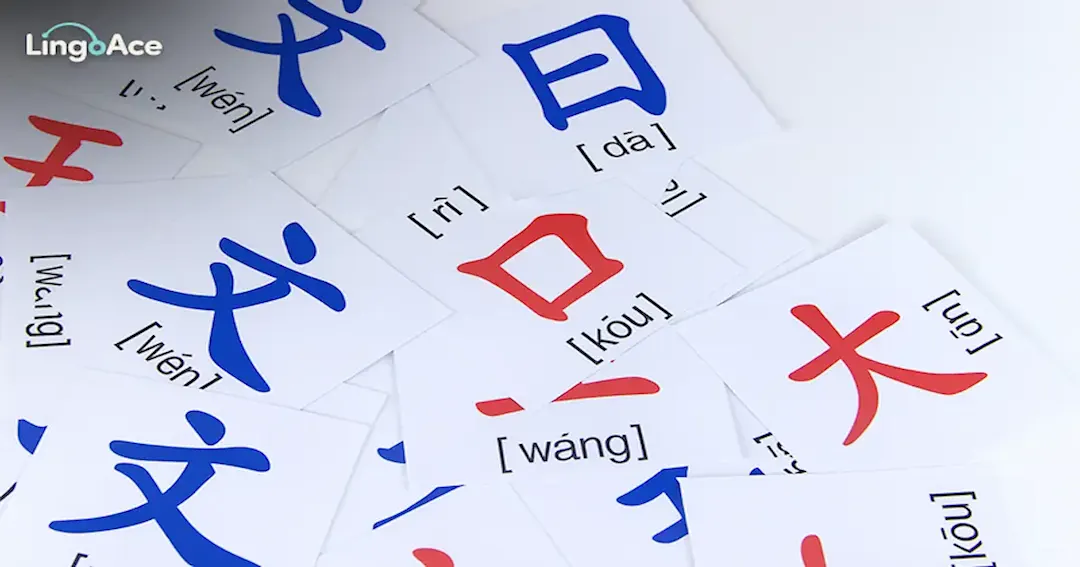
Traditional learning is the method most people are familiar with in Chinese tuition centres such as Berries, HCL, Tien Hsia etc. It typically includes:
Classroom-based instruction with textbooks and grammar exercises.
Memorization of vocabulary and rules before applying them.
Teacher-centered approach, where students receive direct instruction.
Emphasis on repetition and practice drills to reinforce learning.
✅ Advantages of Traditional Learning for PSLE Chinese:
Provides a structured and systematic way to master grammar, vocabulary, and comprehension skills essential for PSLE Chinese exams.
Helps learners build a strong foundation in reading and writing, which is critical for Paper 1 (Composition Writing) and Paper 2 (Comprehension and Language Use).
Prepares students for standardised testing by familiarizing them with PSLE exam formats, question types, and marking schemes.
❌ Challenges of Traditional Learning for PSLE Chinese:
Can feel repetitive and disengaging, making it harder for students to stay motivated when preparing for the exam.
May not develop oral and conversational skills effectively, impacting performance in PSLE Oral.
Focuses on rote memorization rather than practical application, which may limit a student's ability to use Chinese naturally beyond the exam.

What is Contextual Learning?
Contextual learning, on the other hand, is based on real-life experiences and practical application. It involves:
Learning through stories, conversations, and real-world tasks.
Immersion techniques such as role-playing, games, and interactive activities.
Student-centered approach, where learners explore language naturally.
Connection to everyday experiences, making learning meaningful.
✅ Advantages of Contextual Learning:
Enhances retention by making learning relevant and engaging, which helps students remember vocabulary and grammar more effectively for PSLE.
Develops stronger listening and speaking skills, crucial for PSLE Oral and Listening Comprehension sections.
Encourages critical thinking and application of language, improving students' ability to craft engaging compositions and answer open-ended comprehension questions.
❌ Challenges of Contextual Learning:
May not provide the same level of exam-specific preparation as traditional methods.
Requires skilled instructors to balance creativity with structured learning to ensure students meet PSLE requirements.
Harder to measure structured progress compared to traditional assessment-based learning.

Challenges in Learning Chinese & How the SG Ace Chinese Program Helps
Many Singaporean children face challenges when learning Chinese due to rigid school structures and exam-oriented approaches. Here’s how the SG Ace Chinese program helps address these issues through an interactive, contextual learning approach:
Key Challenges for Singaporean Children Learning Chinese:
Exam-oriented learning makes children resist studying.
Repetitive curriculum makes learning dull and disengaging.
Reluctance to speak Chinese and dislike for reading Chinese books.
Mismatch between lesson difficulty and child’s ability.
No visible improvement in Chinese skills.
Parents lack insight into their child’s progress and ability to keep up with school expectations.
How the SG Ace Chinese Program Helps:
Uses a play-based learning approach with interactive courseware and homework to make learning fun.
Builds lessons around real-life themes to keep children engaged while expanding vocabulary and reading skills.
Offers engaging picture books tailored to students' reading levels and encourages casual conversation to improve fluency.
Starts with a proficiency assessment to place each child at a suitable level.
Follows a circular learning model of previewing, learning, practicing, and reviewing to reinforce progress.
Conducts regular assessments and shares reports with parents to track development.
By integrating structured learning with engaging real-life applications, the SG Ace Chinese program ensures children enjoy and retain their Chinese language skills effectively.


FAQ: Parents' Most Common Questions
1. What is the best way to help my child learn Chinese?
The best approach combines structured learning with real-life application. A mix of traditional methods (for grammar and writing) and contextual learning (for conversation and fluency) ensures well-rounded progress.
2. Why does my child struggle to speak Mandarin fluently?
Many children struggle because they learn only through textbooks and drills but don’t practice speaking in a natural setting. Contextual learning—like role-playing, interactive games, and immersion—helps children gain confidence in speaking.
3. What is more effective: memorizing vocabulary or learning through conversation?
Memorizing vocabulary helps build a foundation, but applying words in conversation ensures long-term retention. Contextual learning enables kids to understand words in context rather than just memorizing lists.
4. Can my child learn Mandarin effectively through online classes?
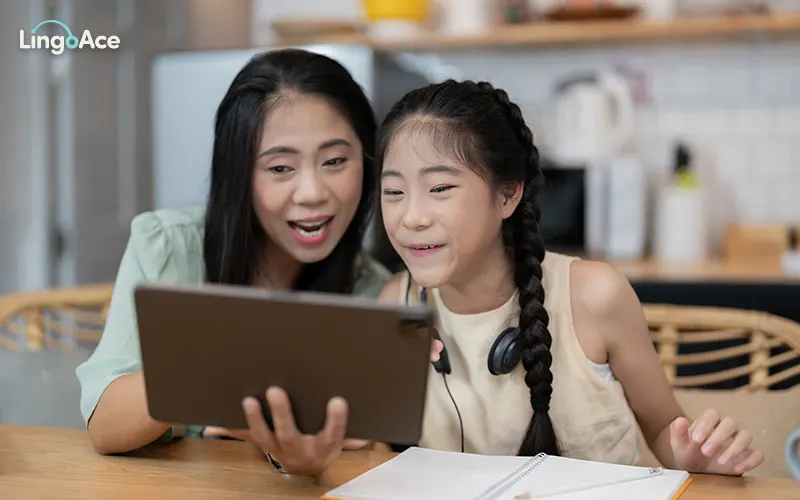
Yes! Online classes that incorporate interactive activities, storytelling, and conversation practice can be just as effective as in-person lessons. LingoAce’s programs use live teachers, engaging activities, and contextual exercises to make learning immersive.
5. How can I make Chinese learning fun for my child?
Use interactive learning apps with gamified elements.
Watch Chinese cartoons or movies with subtitles.
Play Mandarin-based games like word puzzles and role-playing.
Practice daily conversations at home in a relaxed way.
Encourage real-life usage, like ordering food in Chinese or reading signs together.
6. Should my child focus on reading and writing first, or speaking?
It depends on their goals! Speaking and listening should come first for communication skills, while reading and writing are important for academic success. A balanced approach ensures both fluency and literacy.
7. How do I know if my child is making progress in Mandarin?
They start using Chinese words naturally in daily life.
They show excitement or confidence when speaking.
They can understand basic instructions or short conversations.
Their reading and writing skills improve steadily.
They engage more in lessons without hesitation.
The Best of Both Worlds
Rather than choosing one over the other, the most effective language programs combine elements of both traditional and contextual learning. At LingoAce, we integrate structured lessons with engaging real-life applications, ensuring that students not only understand the language but can also use it confidently in daily life.
Want to see how contextual learning can transform your child’s language journey? Try a free lesson with LingoAce today! We offer a variety of programs and services to help students of all levels to improve their Chinese language skills.

For our avid blog readers, simply visit our page, sign up for a free trial and receive additional 2 free lessons after purchasing a package with us! Find Out More!