

Key Takeaways:
What are the Traits of Different Learning Styles?
Visual learners benefit from diagrams, animations, and pictorial cues.
Auditory learners thrive in interactive live lessons with discussions, storytelling, and rewindable audio resources.
Reading/writing learners learn best through text-based tasks, digital worksheets, and structured written feedback.
Kinesthetic learners stay engaged through movement-based activities, role-play, and hands-on interactive tools.
Introduction
Every child learns differently. Some grasp ideas best by seeing, others by listening, reading, or doing. Recognising your child’s preferred learning styles can transform how they enjoy lessons, stay engaged, and retain new information. With the rise of structured digital classrooms and reliable online tutors in Singapore, parents can better match lessons to how their child learns best. Today’s online platforms integrate a multisensory learning approach, offering children the flexibility and guidance they need to thrive.
To help you understand how this works in practice, this article breaks down the four types of learning and how online education supports each one.
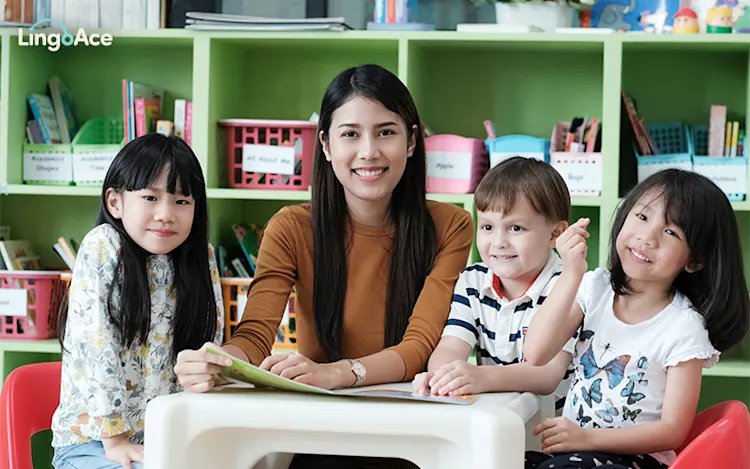
What Are the Types of Learning Styles Parents Should Know?
1. Visual Learners
Visual learners enjoy diagrams, pictures, colour-coded notes, and structured layouts. They make strong connections through spatial understanding and visual cues. Platforms integrate animations, infographics, and video demonstrations to break down complex ideas. Digital whiteboards, drawing tools, and screen annotations further support these learners by allowing them to create mind maps or visually link key concepts.
For children attending online Chinese tuition, visual support becomes more significant. Seeing Chinese characters presented with pictorial cues or stroke-order animations helps strengthen memory retention and tone recognition. In this way, online classrooms offer the clarity of a well-designed textbook, but with the added benefit of interactive tools that deepen engagement.
2. Auditory Learners
Auditory learners absorb information best through discussion, music, explanation, and verbal repetition. They respond well to storytelling, spoken instructions, and open conversations, making interactive dialogue crucial for their understanding and memory.
Online learning naturally supports these strengths. Live lessons encourage children to speak up, ask questions, and practise pronunciation with native-speaking teachers. Additionally, rewindable videos or audio clips reinforce challenging topics at their own pace. Through songs, rhymes, and narrative activities, language learning becomes both musical and memorable. In these active virtual environments, steady teacher–student interaction keeps auditory learners fully engaged.
3. Reading/Writing Learners
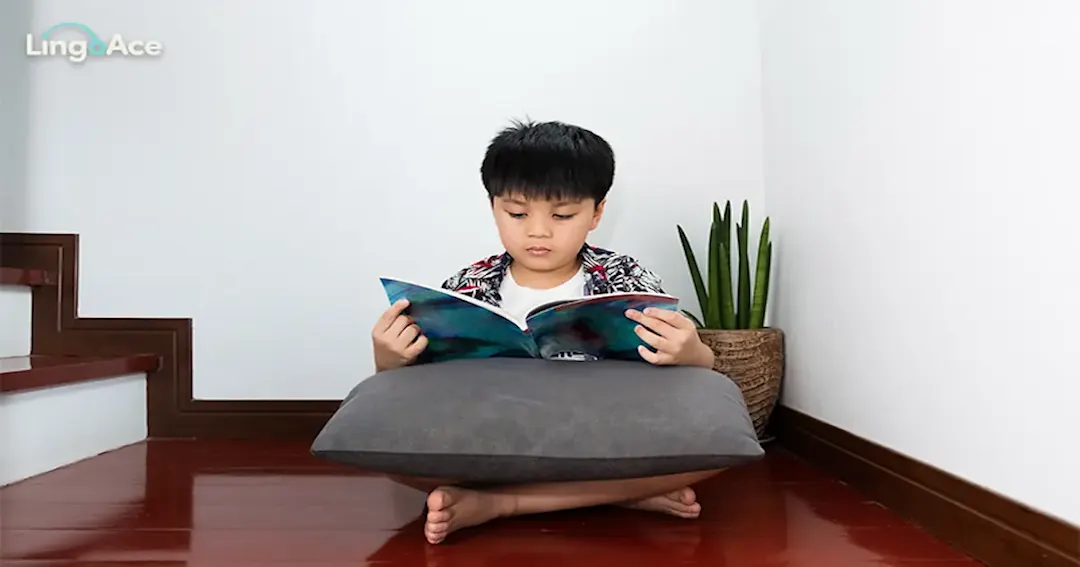
Kids who learn best through reading and writing enjoy reading, doing worksheets, and expressing their thoughts on paper. They absorb information best through text-based activities and organised reflection, so written practice plays a key role in helping them grasp new ideas.
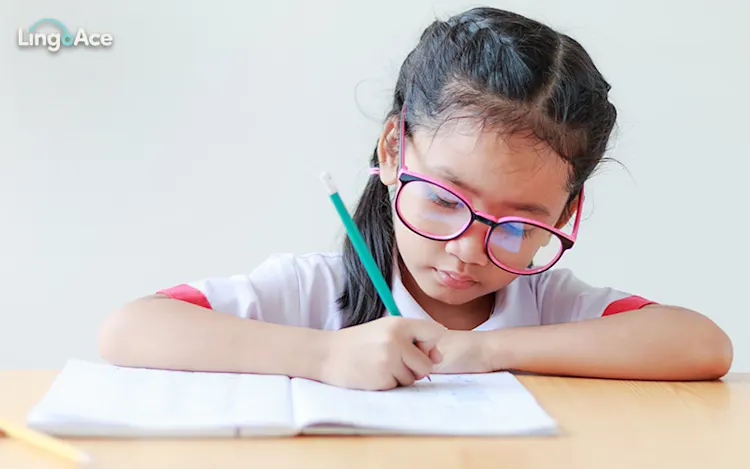
Online learning supports these strengths by offering digital worksheets, journaling spaces, vocabulary lists, and reading passages that reinforce comprehension. Children can annotate text, highlight key points, and complete quizzes to assess their understanding, while written feedback from tutors strengthens grammar, sentence structure, and composition skills. For instance, when attending an online Chinese enrichment class, teachers can use personalised online education to customise writing tasks based on what each child needs.
4. Kinesthetic Learners
Kinesthetic learners understand concepts best through movement, experimentation, role-play, and practical application. As they learn through active experience rather than passive watching, hands-on involvement is key to helping them stay focused and grasp new material.
Online platforms support this learning style through interactive games, drag-and-drop tasks, gesture-based activities, and virtual simulations that keep lessons dynamic. Role-play scenarios help children demonstrate understanding through action, while language learners can act out vocabulary and use gestures to remember tones. By weaving movement and application naturally into each session, online learning keeps kinesthetic learners engaged.
How Online Learning Helps to Address Different Learning Methods
Today’s families juggle work, school commitments, and enrichment schedules. Many parents struggle to find qualified teachers or centre-based programmes that align with school syllabuses or cultural needs. Online platforms fill this gap by providing:
Access to trained online tutors
Flexible lesson times for busy families
Customisation for expatriate or non-native households
Opportunities for holistic enrichment across subjects
Whether your child thrives on visuals, sound, reading, or hands-on activities, digital platforms can adapt to their strengths to ensure consistent academic progress.
Do Children Learn in Different Ways?
While we often identify one dominant learning style, most children use a combination depending on the subject. A child may be visual in science, auditory in music, and kinesthetic during language practice.
This is why modern education providers like LingoAce prioritise blended learning for children. By combining visuals, sound, reading, writing, and movement-based activities, online lessons cater to multiple senses at once. Our approach is designed to increase engagement, confidence, and long-term retention.
Reach out to us to explore personalised online classes that align with your child’s strengths.