

Key Takeaways:
How Digital Learning Takes Place
Online learning delivers lessons, practice, and feedback through one easy-to-use online platform.
The process is intuitive, with child-friendly dashboards and guided features.
It allows parents to get clear progress updates, strengthening the home–school partnership.
Online classes adapt to each child’s pace and support skills like phonics, grammar, and reading.
Introduction
As education shifts alongside rapid technological advances, digital learning has become a powerful and adaptable way for children to learn. Parents seeking academic excellence and future-ready abilities appreciate how online learning blends structure with creativity. With tools like virtual classrooms, gamified tasks, tracking dashboards, and real-time teacher interaction, online education platforms are reshaping the way young learners develop key language, academic, and creative skills.
This guide explains what parents can expect from this approach and how it supports children throughout their academic journey.
What is Digital Learning?
Think of digital learning as a buffet of educational options available at your fingertips. It encompasses everything from online courses and educational apps to virtual classrooms and interactive videos. The beauty of digital learning lies in its ability to cater to different learning styles. Whether your child is a visual learner who thrives on videos or a kinesthetic learner who benefits from interactive activities, there’s something out there for everyone.
How Does Digital Learning Benefit Your Child?
It refers to lessons delivered through technology, allowing students to learn, practise, and track progress all in one place. It includes:
Live classes with qualified teachers
Recorded lessons for revision
Educational apps and multimedia tools
Virtual collaboration features for group work
Adaptive assessments that personalise learning pathways
Through a seamless online ecosystem, learners can access interactive exercises, quizzes, and feedback anytime. Online lessons are ideal for both busy families and children who benefit from a more flexible learning environment.
How It Works
Digital learning may feel new to some parents, but the process is intentionally intuitive. Modern platforms are built with young learners in mind, offering guided features that make it easy for children to stay engaged from home.
1. Logging Into the Learning Platform
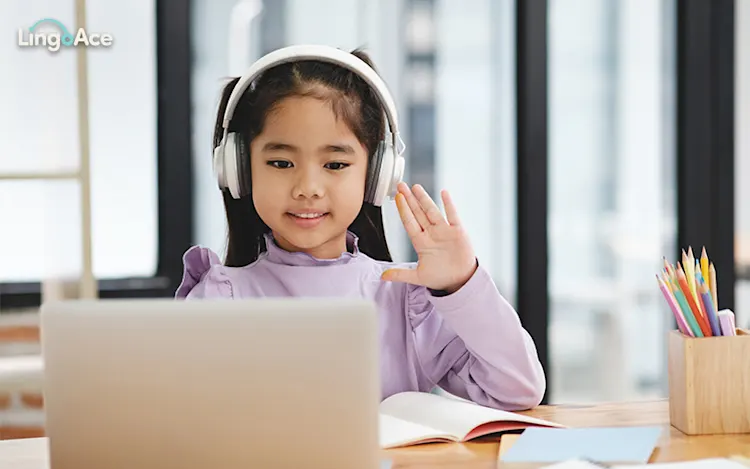
Students enter a secure platform where they can check class schedules, receive reminders, and join lessons. A modern virtual classroom experience includes live video sessions, chat functions, digital whiteboards, and interactive tools to enhance participation.
2. Interactive Lessons Designed for Engagement
Lessons are delivered through real-time classes, recorded videos, stories, animations, or gamified activities that bring concepts to life. Is your child developing phonics, grammar, or reading skills? This learning method adapts to their individual pace and increases their attention span.
3. Progress Tracking and Personalised Feedback
Teachers monitor each student’s performance through online dashboards. Completed assignments, quiz scores, and activity logs give teachers a clear picture of strengths and areas for improvement. This allows for personalised learning for children, ensuring that teaching aligns with each learner’s pace and needs.
4. Parent Involvement Made Simple
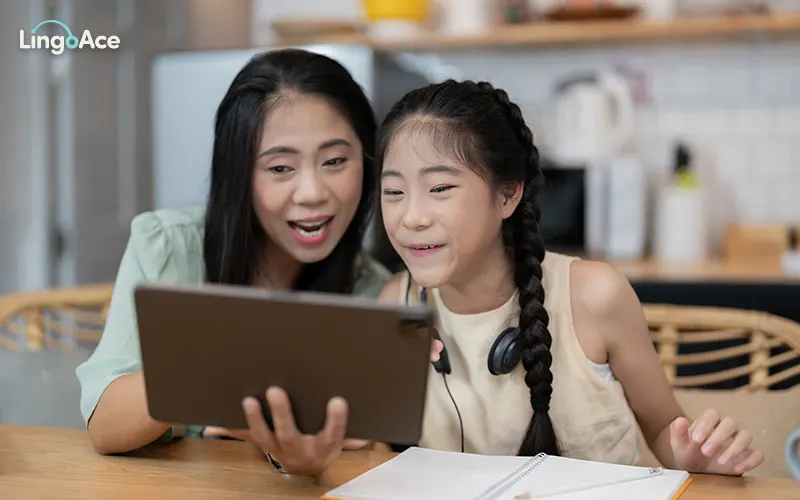
Parents receive regular progress reports and insights into learning behaviour, encouraging a collaborative home-school partnership. By understanding their child’s pace, progress, and learning patterns, parents can work closely with teachers to adjust learning strategies and ensure steady growth. For families comparing online learning to a physical tuition centre in Singapore, this transparency is often a major advantage.

How It Benefits Children
1. Accessibility
With online learning, children can study at any time and from any location. This flexibility benefits busy families, international households, and parents who want a more convenient routine.
2. Flexibility
Students can rewatch lessons and go over difficult topics whenever they need to. This helps them move forward at a pace that matches their learning style
3. Personalised Learning
Adaptive features tailor activities to each child’s strengths and weaknesses. For example, a student who struggles with reading may receive extra phonics exercises, while a confident learner may progress to higher-level texts.
4. Improved Engagement
Animations, multimedia, and interactive tools transform lessons into memorable learning experiences. Young learners, especially those taking Chinese lessons in Singapore, often stay more engaged when concepts are presented through visuals and play-based activities.
5. Collaboration and Communication
Online classes motivate students to engage, ask questions, and contribute ideas. They also provide a safe, well-structured space for peer interaction.
Why Online Learning Works for Language and Academic Growth
Digital learning has evolved far beyond static videos or worksheets. Today, virtual classes offer rich, interactive environments that nurture academic excellence, creativity, and language development. For parents who want their children to build confidence in languages, especially learning Mandarin in Singapore as a second language, digital education offers a personalised, future-ready learning experience.
With strong guidance and a well-designed curriculum, children can thrive in an online environment regardless of where they begin. Platforms like LingoAce, built on curriculum-aligned lessons, help support that growth effectively.
Contact us to explore the best learning plan for your child.